
Key facts
- When countries in 2015 struck the Paris agreement, projections suggested existing policies put the world on course for roughly 4.1
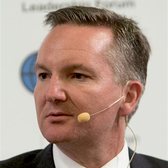
- Chris Bowen, Australia’s COP31 president of negotiations, said the outcome was “very disappointing.”1
- A decade later, the prognosis is 2.8 C. This year’s COP is the first since the UN’s environmental body.1
- Saudi Arabia and other big oil-producing countries have said fossil fuels will play a role in the economy for the foreseeable future.1
The United Nations climate summit in Turkey became the longest-ever UN climate conference on Sunday.2
More than two weeks of negotiations spilled two days into overtime, making it the longest COP on record.1
Negotiations over a final agreement descended into deadlock.2
The European Union and several other countries formally rejected the proposed text.2
A deal that failed to pass
Chris Bowen, Australia’s COP31 president of negotiations, said the outcome was “very disappointing” and that disagreements over fossil fuels and climate finance had been obstacles to a deal.1
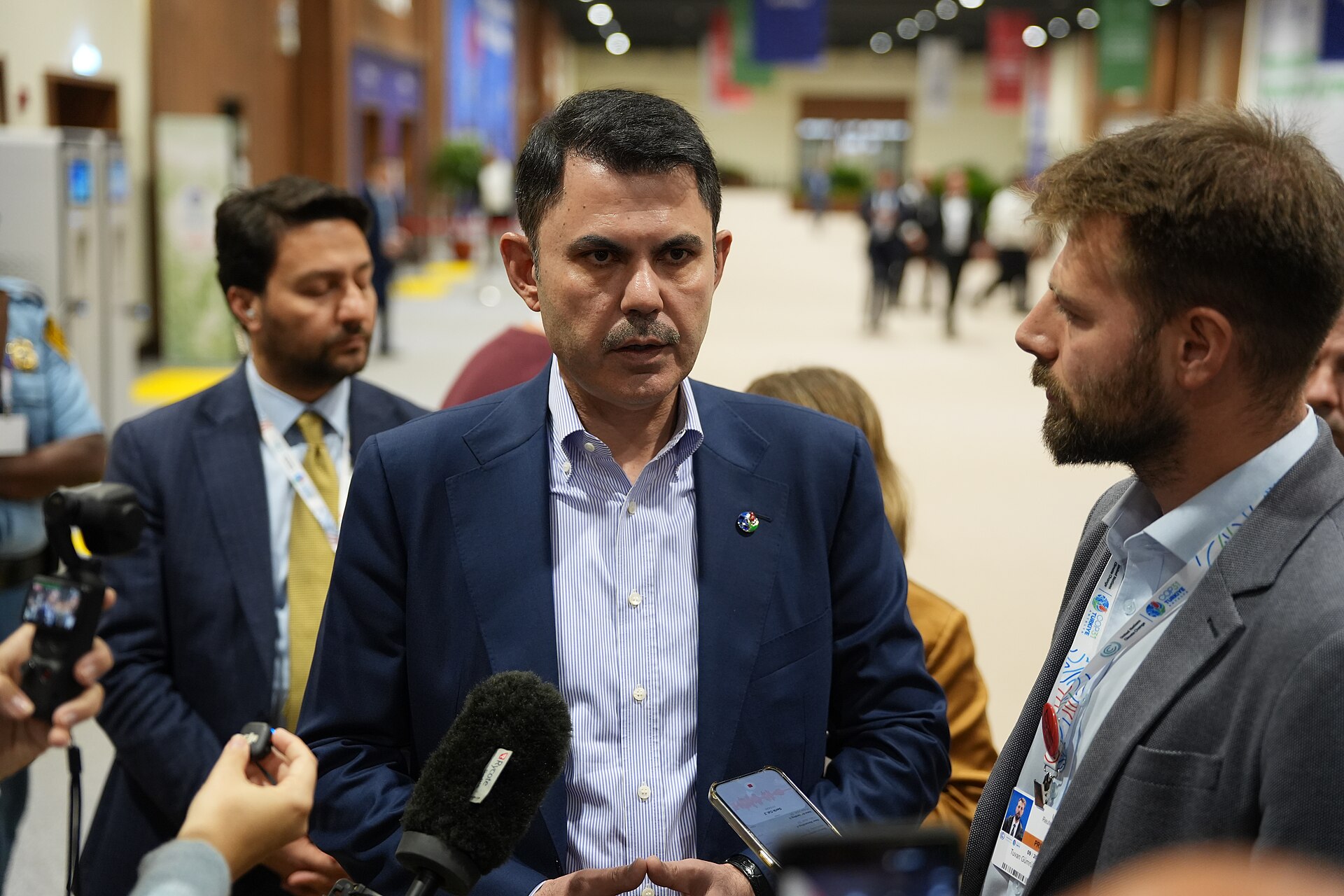
Turkey’s conference president Murat Kurum told the closing plenary that he would not advance any new text.1
The last time UN climate talks failed to get a deal adopted by all was in Copenhagen in 2009.1
Fossil fuels and climate finance
Ireland’s environment minister Darragh O’Brien said the European Union could not support the proposed deal in part because it made no mention of the fossil fuels that scientists say drive global warming.1
Saudi Arabia and other big oil-producing countries have said fossil fuels will play a role in the economy for the foreseeable future and it lobbied to keep any mention of fossil fuels out of the text, observers at the summit said.1
Scientists say removing carbon from the atmosphere — when paired with steep emissions cuts — is vital to avoiding the worst impacts of climate change, but critics of the proposed deal said they worried the carbon removal language would be used as a licence to keep pumping oil.1
A representative for the Saudi delegation told the summit at the closing plenary that he was surprised at the resistance to what he said was a concrete solution to global warming.1
Climate finance and electricity targets
Developing countries had also criticised the deal for not providing sufficient climate finance to help them adapt to a warming planet.1
The deal had called for a tripling of climate finance to help developing countries adapt to a warming planet.1
The deal did not specify from what baseline the climate finance would be tripled.1
The deal had acknowledged the planet’s projected temperature overshoot and called for faster development of carbon-removal technologies to eventually reverse it.1
The deal included a goal put forward by Turkey to expand electricity’s share of total final world energy consumption to 35% by 2035, from around 23% now.1
Proponents of that pledge said it could cut greenhouse gas emissions by speeding the transition away from fuel-powered cars, furnaces, and other equipment.1
Critics said it could force more costs onto poor nations without providing a clear path away from fossil fuels.1
A summit that shaped the climate agenda
When countries in 2015 struck the Paris agreement, which included an aspiration to limit warming to 1.5 degrees Celsius (2.7 degrees Fahrenheit), projections suggested existing policies put the world on course for roughly 4 C (7.2 F) of warming this century.1
A decade later, the prognosis is 2.8 C. This year’s COP is the first since the UN’s environmental body in October confirmed the rise in global temperatures was set to overshoot 1.5 C, a level beyond which scientists say extreme weather impacts intensify.1
The COP process is the main vehicle through which countries coordinate their efforts to curb global warming.1
While many recent COP summits have been fraught, they have provided important signals for business investment and provided a spur for advances in renewable power and electric vehicle technology, analysts say.1
Arguably, they have also helped to curb warming.1
UN Secretary General Antonio Guterres said.1